
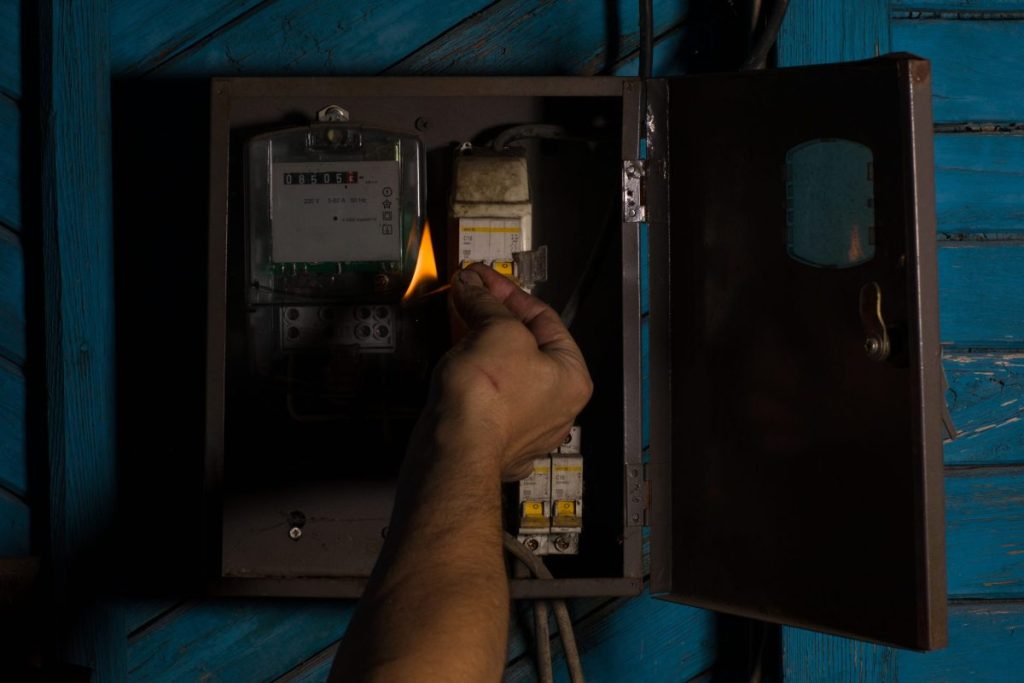
Being without electricity for months can affect your livelihood, health and ability to live comfortably. The situation becomes particularly difficult when you have paid your landlord for electricity, but the municipality disconnects the supply due to the landlord having failed to pay its account. The question is whether you should institute proceedings against the landlord, the municipality, or both.
South African case law demonstrates that the answer depends on: –
- the reason for the disconnection;
- contractual obligations; and
- the legal remedy sought.
Under the common law, a person who is unlawfully deprived of the peaceful and undisturbed possession of something may approach the court for relief through the mandament van spolie. This remedy is founded on the principle that no person may take the law into their own hands by unlawfully depriving another of possession or control of something, regardless of who has the stronger legal right to it. Importantly, some judgments appear to take different approaches to the mandament van spolie, the position is not as straightforward as it may appear.
South African courts have, through various judgments, considered the circumstances in which an electricity disconnection amounts to spoliation, particularly where the disconnection is carried out by a municipality in the exercise of its statutory powers. Consequently, the application of the mandament van spolie is influenced by the facts of each case, the legal basis for the disconnection and the nature of the relief sought.
1. When should you take action against the Municipality?
In Joseph and Others v City of Johannesburg and Others (CCT 43/09) [2009] ZACC 30; 2010 (3) BCLR 212 (CC); 2010 (4) SA 55 (CC), tenants had paid their landlord for electricity, but the landlord had accumulated arrears with the electricity supplier. The electricity was disconnected without the tenants receiving prior notice.
The Constitutional Court recognised that tenants are entitled to procedural fairness under the Promotion of Administrative Justice Act 3 of 2000 (PAJA), even though they have no direct electricity-supply contract with the municipality. The tenants should, in appropriate circumstances, receive notice and an opportunity to make representations before disconnection.
Similarly, in Ekurhuleni Metropolitan Municipality v Anzotrax (Pty) Ltd t/a Topbet Germiston [2016] ZAGPJHC 178, the municipality disconnected a tenant’s electricity because of the landlord’s outstanding property rates and taxes, despite the tenant’s electricity account with the landlord being paid up to date. The Court, found the disconnection unlawful because the municipality had acted contrary to its statutory obligations by holding the tenant liable for the landlord’s debt and failing to exercise its credit-control powers lawfully and fairly, in accordance with Sections 96 to 98 of the Local Government: Municipal Systems Act 32 of 2000 (“the Act”).
These cases support the notion of investigating and instituting a claim against the municipality where the disconnection was unlawful or procedurally unfair.
However, neither case establishes that every tenant can compel reconnection regardless of the circumstances.
2. Should you sue the landlord instead?
A more serious situation arises where the landlord personally disconnects the electricity supply to pressure a tenant into vacating the property, particularly where there is a dispute about unpaid rent, cancellation of the lease or the tenant’s right to remain in occupation. This is a clear-cut example of an unlawful spoliation which will grant the tenant access to the mandament van spolie.
Depending on the terms of the lease and the available evidence, the tenant may seek appropriate contractual relief, which could include:
- Specific performance: An order compelling the landlord to fulfil the relevant contractual obligation, where legally appropriate.
- Damages: Compensation for proven loss caused by the landlord’s breach, subject to the applicable requirements for contractual damages.
- Other contractual remedies: Depending on the seriousness of the breach, the lease terms and the circumstances, the tenant may have grounds to seek further relief, potentially including cancellation of the lease.
Furthermore, and as discussed above, the tenant may also consider bringing an application on an urgent basis for a mandament van spolie (spoliation order) to have the electricity supply reinstated. It is worth noting that Section 21(5) of the Electricity Regulation Act 4 of 2006 requires that only a registered licence holder may disconnect electricity and under specific conditions, with Section 22 regulating the powers of entry and inspection of the premises.
Additionally, The Rental Housing Act under section 16(hA) specifically states: –
“Any person who unlawfully locks out a tenant or shuts off the utilities to the rental housing property will be guilty of an offence and liable on conviction to a fine or imprisonment not exceeding two years or to both such fine and such imprisonment.”
Conclusion
There is no universal answer. A municipality may be liable for an unlawful disconnection, while a landlord may be liable for breaching the terms of the lease. In some cases, both may need to be cited, provided a proper legal basis exists against each.
Before instituting proceedings, establish who disconnected the supply, whose account is in arrears, what the lease provides and whether procedural fairness was afforded. These facts will determine the appropriate respondent and the remedy most likely to succeed.
For advice on your legal rights concerning the unlawful disconnection of electricity, or to determine whether you may be entitled to spoliatory relief, we invite you to book a consultation with our offices. Our team will assess the circumstances of your matter and advise you on the appropriate legal remedies available.
Article written by Zanele Motsuenyane